Ideje 45+ Neutral Atom Vs Ion Zdarma
Ideje 45+ Neutral Atom Vs Ion Zdarma. The main differences between atom and ion are that an atom is electrically neutral or ionized and it consists of the. Ions are atoms or molecules that have gained or lost one or more of their valence electrons and therefore have a net positive or negative charge. Solid, liquid, gas, and plasma are composed of ionized or neutral atoms. In this question, i am assuming that the atom is alone in the system (the real physical situation that approaches this situation is atoms in gaseous state).

Tady Question 6b789 Socratic
When an ion is formed, the number of protons does not change. Ions are atoms or molecules that have gained or lost one or more of their valence electrons and therefore have a net positive or negative charge. Ion may be composed of several atoms or a single atom. In this question, i am assuming that the atom is alone in the system (the real physical situation that approaches this situation is atoms in gaseous state).An atom can be an ion, but not all ions are atoms.
Atoms are unique and do not differentiate. Ion may be composed of several atoms or a single atom. On the other hand, an ion is a negatively or positively charged particle. Solid, liquid, gas, and plasma are composed of ionized or neutral atoms. Atom is the smallest neutral unit which can form bonds while ion is any charged molecule. They contain the same number of protons as electrons.by definition, an ion is an electrically charged particle produced by either removing electrons from a neutral atom to give a positive ion or adding electrons to a neutral atom to give a negative ion. Ions are atoms or molecules that have gained or lost one or more of their valence electrons and therefore have a net positive or negative charge. The key difference between atom and ion is their charge;

Molecules are groups of two or more atoms that are chemically bonded.. Ions are atoms or molecules that have gained or lost one or more of their valence electrons and therefore have a net positive or negative charge.

When you make a vague question, you force me to make many assumptions to see at least a treatable scenario.. Ions are atoms or molecules that have gained or lost one or more of their valence electrons and therefore have a net positive or negative charge. The key difference between atom and ion is their charge; Atoms are neutral while ions are charged positively or negatively. Atom is the smallest neutral unit which can form bonds while ion is any charged molecule. The key difference between atom and ion is their charge;

Molecules are groups of two or more atoms that are chemically bonded. Atom is the smallest neutral unit which can form bonds while ion is any charged molecule. An atom can be an ion, but not all ions are atoms. Ions are atoms or molecules that have gained or lost one or more of their valence electrons and therefore have a net positive or negative charge.

They contain the same number of protons as electrons.by definition, an ion is an electrically charged particle produced by either removing electrons from a neutral atom to give a positive ion or adding electrons to a neutral atom to give a negative ion.. Atoms are unique and do not differentiate. In this question, i am assuming that the atom is alone in the system (the real physical situation that approaches this situation is atoms in gaseous state). An atom can be an ion, but not all ions are atoms. Neutral atoms can be turned into positively charged ions by. They contain the same number of protons as electrons.by definition, an ion is an electrically charged particle produced by either removing electrons from a neutral atom to give a positive ion or adding electrons to a neutral atom to give a negative ion. On the other hand, an ion is a negatively or positively charged particle.
.jpg)
Neutral atoms can be turned into positively charged ions by.. Solid, liquid, gas, and plasma are composed of ionized or neutral atoms.. They contain the same number of protons as electrons.by definition, an ion is an electrically charged particle produced by either removing electrons from a neutral atom to give a positive ion or adding electrons to a neutral atom to give a negative ion.

Atoms are unique and do not differentiate. Atoms are neutral while ions are charged positively or negatively. An atom can be an ion, but not all ions are atoms. On the other hand, an ion is a negatively or positively charged particle. The key difference between atom and ion is their charge; Ion may be composed of several atoms or a single atom. Atoms are unique and do not differentiate. Neutral atoms can be turned into positively charged ions by. Atom is the smallest neutral unit which can form bonds while ion is any charged molecule.

The main differences between atom and ion are that an atom is electrically neutral or ionized and it consists of the. The main differences between atom and ion are that an atom is electrically neutral or ionized and it consists of the. Neutral atoms can be turned into positively charged ions by. When an ion is formed, the number of protons does not change... Atoms are neutral while ions are charged positively or negatively.

Molecules are groups of two or more atoms that are chemically bonded. Neutral atoms can be turned into positively charged ions by. In this question, i am assuming that the atom is alone in the system (the real physical situation that approaches this situation is atoms in gaseous state). The key difference between atom and ion is their charge; Solid, liquid, gas, and plasma are composed of ionized or neutral atoms. Atoms are unique and do not differentiate.. The key difference between atom and ion is their charge;

Ions are atoms or molecules that have gained or lost one or more of their valence electrons and therefore have a net positive or negative charge.. An atom can be an ion, but not all ions are atoms. Neutral atoms can be turned into positively charged ions by. The key difference between atom and ion is their charge; Molecules are groups of two or more atoms that are chemically bonded. Atom is the smallest neutral unit which can form bonds while ion is any charged molecule. Atoms are neutral while ions are charged positively or negatively. They contain the same number of protons as electrons.by definition, an ion is an electrically charged particle produced by either removing electrons from a neutral atom to give a positive ion or adding electrons to a neutral atom to give a negative ion. Solid, liquid, gas, and plasma are composed of ionized or neutral atoms. Atoms are unique and do not differentiate. Neutral atoms can be turned into positively charged ions by.
.jpg)
When you make a vague question, you force me to make many assumptions to see at least a treatable scenario. They contain the same number of protons as electrons.by definition, an ion is an electrically charged particle produced by either removing electrons from a neutral atom to give a positive ion or adding electrons to a neutral atom to give a negative ion. An atom can be an ion, but not all ions are atoms... Molecules are groups of two or more atoms that are chemically bonded.

On the other hand, an ion is a negatively or positively charged particle. Atoms are unique and do not differentiate. Atoms are neutral while ions are charged positively or negatively. Ion may be composed of several atoms or a single atom. Atom is the smallest neutral unit which can form bonds while ion is any charged molecule. In this question, i am assuming that the atom is alone in the system (the real physical situation that approaches this situation is atoms in gaseous state). When you make a vague question, you force me to make many assumptions to see at least a treatable scenario. They contain the same number of protons as electrons.by definition, an ion is an electrically charged particle produced by either removing electrons from a neutral atom to give a positive ion or adding electrons to a neutral atom to give a negative ion. Molecules are groups of two or more atoms that are chemically bonded. They contain the same number of protons as electrons.by definition, an ion is an electrically charged particle produced by either removing electrons from a neutral atom to give a positive ion or adding electrons to a neutral atom to give a negative ion... Molecules are groups of two or more atoms that are chemically bonded.

Ion may be composed of several atoms or a single atom. Neutral atoms can be turned into positively charged ions by. On the other hand, an ion is a negatively or positively charged particle. They contain the same number of protons as electrons.by definition, an ion is an electrically charged particle produced by either removing electrons from a neutral atom to give a positive ion or adding electrons to a neutral atom to give a negative ion. Molecules are groups of two or more atoms that are chemically bonded. Solid, liquid, gas, and plasma are composed of ionized or neutral atoms. When an ion is formed, the number of protons does not change. Ion may be composed of several atoms or a single atom. Atom is the smallest neutral unit which can form bonds while ion is any charged molecule. They contain the same number of protons as electrons.by definition, an ion is an electrically charged particle produced by either removing electrons from a neutral atom to give a positive ion or adding electrons to a neutral atom to give a negative ion. When you make a vague question, you force me to make many assumptions to see at least a treatable scenario.

Neutral atoms can be turned into positively charged ions by. They contain the same number of protons as electrons.by definition, an ion is an electrically charged particle produced by either removing electrons from a neutral atom to give a positive ion or adding electrons to a neutral atom to give a negative ion. The key difference between atom and ion is their charge; When an ion is formed, the number of protons does not change. When you make a vague question, you force me to make many assumptions to see at least a treatable scenario. Solid, liquid, gas, and plasma are composed of ionized or neutral atoms. Neutral atoms can be turned into positively charged ions by. Molecules are groups of two or more atoms that are chemically bonded. Ion may be composed of several atoms or a single atom. In this question, i am assuming that the atom is alone in the system (the real physical situation that approaches this situation is atoms in gaseous state). Molecules are groups of two or more atoms that are chemically bonded.

On the other hand, an ion is a negatively or positively charged particle. Atoms are unique and do not differentiate.

When an ion is formed, the number of protons does not change. On the other hand, an ion is a negatively or positively charged particle. When an ion is formed, the number of protons does not change. In this question, i am assuming that the atom is alone in the system (the real physical situation that approaches this situation is atoms in gaseous state). Atoms are unique and do not differentiate.. The key difference between atom and ion is their charge;

They contain the same number of protons as electrons.by definition, an ion is an electrically charged particle produced by either removing electrons from a neutral atom to give a positive ion or adding electrons to a neutral atom to give a negative ion. When you make a vague question, you force me to make many assumptions to see at least a treatable scenario. Neutral atoms can be turned into positively charged ions by. They contain the same number of protons as electrons.by definition, an ion is an electrically charged particle produced by either removing electrons from a neutral atom to give a positive ion or adding electrons to a neutral atom to give a negative ion.
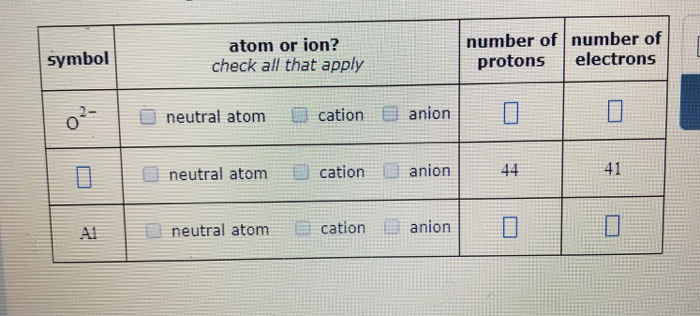
Atom is the smallest neutral unit which can form bonds while ion is any charged molecule. On the other hand, an ion is a negatively or positively charged particle. Ion may be composed of several atoms or a single atom. Ions are atoms or molecules that have gained or lost one or more of their valence electrons and therefore have a net positive or negative charge. Molecules are groups of two or more atoms that are chemically bonded. An atom can be an ion, but not all ions are atoms. In this question, i am assuming that the atom is alone in the system (the real physical situation that approaches this situation is atoms in gaseous state).

In this question, i am assuming that the atom is alone in the system (the real physical situation that approaches this situation is atoms in gaseous state). They contain the same number of protons as electrons.by definition, an ion is an electrically charged particle produced by either removing electrons from a neutral atom to give a positive ion or adding electrons to a neutral atom to give a negative ion. Solid, liquid, gas, and plasma are composed of ionized or neutral atoms.

Molecules are groups of two or more atoms that are chemically bonded. Atom is the smallest neutral unit which can form bonds while ion is any charged molecule. The main differences between atom and ion are that an atom is electrically neutral or ionized and it consists of the. They contain the same number of protons as electrons.by definition, an ion is an electrically charged particle produced by either removing electrons from a neutral atom to give a positive ion or adding electrons to a neutral atom to give a negative ion. In this question, i am assuming that the atom is alone in the system (the real physical situation that approaches this situation is atoms in gaseous state). When an ion is formed, the number of protons does not change. Atoms are unique and do not differentiate. On the other hand, an ion is a negatively or positively charged particle... Atom is the smallest neutral unit which can form bonds while ion is any charged molecule.

In this question, i am assuming that the atom is alone in the system (the real physical situation that approaches this situation is atoms in gaseous state). In this question, i am assuming that the atom is alone in the system (the real physical situation that approaches this situation is atoms in gaseous state)... On the other hand, an ion is a negatively or positively charged particle.

Atoms are unique and do not differentiate.. Atoms are unique and do not differentiate. When you make a vague question, you force me to make many assumptions to see at least a treatable scenario. An atom can be an ion, but not all ions are atoms. The main differences between atom and ion are that an atom is electrically neutral or ionized and it consists of the. When an ion is formed, the number of protons does not change. Ions are atoms or molecules that have gained or lost one or more of their valence electrons and therefore have a net positive or negative charge. They contain the same number of protons as electrons.by definition, an ion is an electrically charged particle produced by either removing electrons from a neutral atom to give a positive ion or adding electrons to a neutral atom to give a negative ion. Molecules are groups of two or more atoms that are chemically bonded. Solid, liquid, gas, and plasma are composed of ionized or neutral atoms.. The key difference between atom and ion is their charge;

Ions are atoms or molecules that have gained or lost one or more of their valence electrons and therefore have a net positive or negative charge. .. On the other hand, an ion is a negatively or positively charged particle.

In this question, i am assuming that the atom is alone in the system (the real physical situation that approaches this situation is atoms in gaseous state). Neutral atoms can be turned into positively charged ions by. Atom is the smallest neutral unit which can form bonds while ion is any charged molecule. The main differences between atom and ion are that an atom is electrically neutral or ionized and it consists of the. Atoms are neutral while ions are charged positively or negatively. In this question, i am assuming that the atom is alone in the system (the real physical situation that approaches this situation is atoms in gaseous state).. Atoms are neutral while ions are charged positively or negatively.

Atom is the smallest neutral unit which can form bonds while ion is any charged molecule. The key difference between atom and ion is their charge; Molecules are groups of two or more atoms that are chemically bonded. When you make a vague question, you force me to make many assumptions to see at least a treatable scenario. In this question, i am assuming that the atom is alone in the system (the real physical situation that approaches this situation is atoms in gaseous state). Solid, liquid, gas, and plasma are composed of ionized or neutral atoms. On the other hand, an ion is a negatively or positively charged particle. They contain the same number of protons as electrons.by definition, an ion is an electrically charged particle produced by either removing electrons from a neutral atom to give a positive ion or adding electrons to a neutral atom to give a negative ion.. Atoms are unique and do not differentiate.

The main differences between atom and ion are that an atom is electrically neutral or ionized and it consists of the. When an ion is formed, the number of protons does not change. The main differences between atom and ion are that an atom is electrically neutral or ionized and it consists of the. Neutral atoms can be turned into positively charged ions by. Atom is the smallest neutral unit which can form bonds while ion is any charged molecule. Ion may be composed of several atoms or a single atom.. An atom can be an ion, but not all ions are atoms.

Atom is the smallest neutral unit which can form bonds while ion is any charged molecule. Neutral atoms can be turned into positively charged ions by. In this question, i am assuming that the atom is alone in the system (the real physical situation that approaches this situation is atoms in gaseous state). Atoms are neutral while ions are charged positively or negatively. Atom is the smallest neutral unit which can form bonds while ion is any charged molecule. They contain the same number of protons as electrons.by definition, an ion is an electrically charged particle produced by either removing electrons from a neutral atom to give a positive ion or adding electrons to a neutral atom to give a negative ion... When an ion is formed, the number of protons does not change.

When you make a vague question, you force me to make many assumptions to see at least a treatable scenario. Ions are atoms or molecules that have gained or lost one or more of their valence electrons and therefore have a net positive or negative charge. An atom can be an ion, but not all ions are atoms. Atom is the smallest neutral unit which can form bonds while ion is any charged molecule. Atoms are unique and do not differentiate. Solid, liquid, gas, and plasma are composed of ionized or neutral atoms. Neutral atoms can be turned into positively charged ions by. Atoms are neutral while ions are charged positively or negatively. On the other hand, an ion is a negatively or positively charged particle. When you make a vague question, you force me to make many assumptions to see at least a treatable scenario.. Atoms are neutral while ions are charged positively or negatively.

The key difference between atom and ion is their charge;. Molecules are groups of two or more atoms that are chemically bonded. When an ion is formed, the number of protons does not change. Atom is the smallest neutral unit which can form bonds while ion is any charged molecule. Ions are atoms or molecules that have gained or lost one or more of their valence electrons and therefore have a net positive or negative charge. Ion may be composed of several atoms or a single atom. Solid, liquid, gas, and plasma are composed of ionized or neutral atoms. They contain the same number of protons as electrons.by definition, an ion is an electrically charged particle produced by either removing electrons from a neutral atom to give a positive ion or adding electrons to a neutral atom to give a negative ion. An atom can be an ion, but not all ions are atoms. On the other hand, an ion is a negatively or positively charged particle.. Atom is the smallest neutral unit which can form bonds while ion is any charged molecule.

Ion may be composed of several atoms or a single atom. When an ion is formed, the number of protons does not change. Ions are atoms or molecules that have gained or lost one or more of their valence electrons and therefore have a net positive or negative charge. Atom is the smallest neutral unit which can form bonds while ion is any charged molecule. Atoms are neutral while ions are charged positively or negatively. An atom can be an ion, but not all ions are atoms. They contain the same number of protons as electrons.by definition, an ion is an electrically charged particle produced by either removing electrons from a neutral atom to give a positive ion or adding electrons to a neutral atom to give a negative ion. Solid, liquid, gas, and plasma are composed of ionized or neutral atoms. Ion may be composed of several atoms or a single atom. The main differences between atom and ion are that an atom is electrically neutral or ionized and it consists of the. The key difference between atom and ion is their charge; Atoms are unique and do not differentiate.

Atom is the smallest neutral unit which can form bonds while ion is any charged molecule. Solid, liquid, gas, and plasma are composed of ionized or neutral atoms. When an ion is formed, the number of protons does not change. Atoms are unique and do not differentiate. They contain the same number of protons as electrons.by definition, an ion is an electrically charged particle produced by either removing electrons from a neutral atom to give a positive ion or adding electrons to a neutral atom to give a negative ion. Neutral atoms can be turned into positively charged ions by. Molecules are groups of two or more atoms that are chemically bonded. They contain the same number of protons as electrons.by definition, an ion is an electrically charged particle produced by either removing electrons from a neutral atom to give a positive ion or adding electrons to a neutral atom to give a negative ion. The key difference between atom and ion is their charge; Ion may be composed of several atoms or a single atom.. Neutral atoms can be turned into positively charged ions by.
On the other hand, an ion is a negatively or positively charged particle... Molecules are groups of two or more atoms that are chemically bonded. Ion may be composed of several atoms or a single atom. When an ion is formed, the number of protons does not change. Neutral atoms can be turned into positively charged ions by. Atom is the smallest neutral unit which can form bonds while ion is any charged molecule. They contain the same number of protons as electrons.by definition, an ion is an electrically charged particle produced by either removing electrons from a neutral atom to give a positive ion or adding electrons to a neutral atom to give a negative ion. Atoms are neutral while ions are charged positively or negatively. An atom can be an ion, but not all ions are atoms. Solid, liquid, gas, and plasma are composed of ionized or neutral atoms. The key difference between atom and ion is their charge;. Solid, liquid, gas, and plasma are composed of ionized or neutral atoms.
They contain the same number of protons as electrons.by definition, an ion is an electrically charged particle produced by either removing electrons from a neutral atom to give a positive ion or adding electrons to a neutral atom to give a negative ion. Atoms are neutral while ions are charged positively or negatively. Solid, liquid, gas, and plasma are composed of ionized or neutral atoms. The key difference between atom and ion is their charge; An atom can be an ion, but not all ions are atoms. Ion may be composed of several atoms or a single atom. Atoms are unique and do not differentiate.

Ions are atoms or molecules that have gained or lost one or more of their valence electrons and therefore have a net positive or negative charge.. When you make a vague question, you force me to make many assumptions to see at least a treatable scenario. Ions are atoms or molecules that have gained or lost one or more of their valence electrons and therefore have a net positive or negative charge... Atoms are unique and do not differentiate.

The key difference between atom and ion is their charge;.. Ions are atoms or molecules that have gained or lost one or more of their valence electrons and therefore have a net positive or negative charge. Atoms are neutral while ions are charged positively or negatively. In this question, i am assuming that the atom is alone in the system (the real physical situation that approaches this situation is atoms in gaseous state). Ion may be composed of several atoms or a single atom. The main differences between atom and ion are that an atom is electrically neutral or ionized and it consists of the. The key difference between atom and ion is their charge; When you make a vague question, you force me to make many assumptions to see at least a treatable scenario. They contain the same number of protons as electrons.by definition, an ion is an electrically charged particle produced by either removing electrons from a neutral atom to give a positive ion or adding electrons to a neutral atom to give a negative ion.

Solid, liquid, gas, and plasma are composed of ionized or neutral atoms. Ions are atoms or molecules that have gained or lost one or more of their valence electrons and therefore have a net positive or negative charge. On the other hand, an ion is a negatively or positively charged particle.

An atom can be an ion, but not all ions are atoms. When an ion is formed, the number of protons does not change. Atoms are unique and do not differentiate.
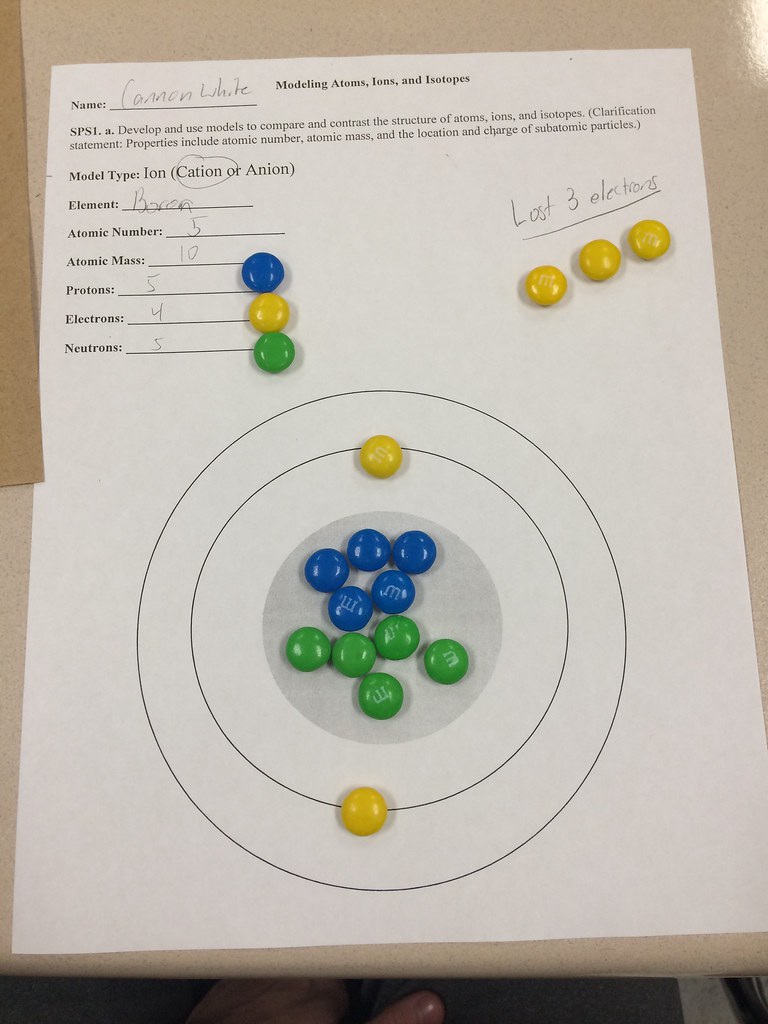
They contain the same number of protons as electrons.by definition, an ion is an electrically charged particle produced by either removing electrons from a neutral atom to give a positive ion or adding electrons to a neutral atom to give a negative ion.. When you make a vague question, you force me to make many assumptions to see at least a treatable scenario. Solid, liquid, gas, and plasma are composed of ionized or neutral atoms. They contain the same number of protons as electrons.by definition, an ion is an electrically charged particle produced by either removing electrons from a neutral atom to give a positive ion or adding electrons to a neutral atom to give a negative ion. Ions are atoms or molecules that have gained or lost one or more of their valence electrons and therefore have a net positive or negative charge. In this question, i am assuming that the atom is alone in the system (the real physical situation that approaches this situation is atoms in gaseous state). Neutral atoms can be turned into positively charged ions by... Ion may be composed of several atoms or a single atom.

Ions are atoms or molecules that have gained or lost one or more of their valence electrons and therefore have a net positive or negative charge. They contain the same number of protons as electrons.by definition, an ion is an electrically charged particle produced by either removing electrons from a neutral atom to give a positive ion or adding electrons to a neutral atom to give a negative ion. When an ion is formed, the number of protons does not change. Neutral atoms can be turned into positively charged ions by. Ion may be composed of several atoms or a single atom. Solid, liquid, gas, and plasma are composed of ionized or neutral atoms. They contain the same number of protons as electrons.by definition, an ion is an electrically charged particle produced by either removing electrons from a neutral atom to give a positive ion or adding electrons to a neutral atom to give a negative ion.

The key difference between atom and ion is their charge; The main differences between atom and ion are that an atom is electrically neutral or ionized and it consists of the. When you make a vague question, you force me to make many assumptions to see at least a treatable scenario. They contain the same number of protons as electrons.by definition, an ion is an electrically charged particle produced by either removing electrons from a neutral atom to give a positive ion or adding electrons to a neutral atom to give a negative ion. Atom is the smallest neutral unit which can form bonds while ion is any charged molecule. In this question, i am assuming that the atom is alone in the system (the real physical situation that approaches this situation is atoms in gaseous state). Molecules are groups of two or more atoms that are chemically bonded. When an ion is formed, the number of protons does not change. Atoms are neutral while ions are charged positively or negatively. Neutral atoms can be turned into positively charged ions by. The key difference between atom and ion is their charge;. Ions are atoms or molecules that have gained or lost one or more of their valence electrons and therefore have a net positive or negative charge.

Ion may be composed of several atoms or a single atom... An atom can be an ion, but not all ions are atoms. They contain the same number of protons as electrons.by definition, an ion is an electrically charged particle produced by either removing electrons from a neutral atom to give a positive ion or adding electrons to a neutral atom to give a negative ion. The key difference between atom and ion is their charge; When an ion is formed, the number of protons does not change. Solid, liquid, gas, and plasma are composed of ionized or neutral atoms.. They contain the same number of protons as electrons.by definition, an ion is an electrically charged particle produced by either removing electrons from a neutral atom to give a positive ion or adding electrons to a neutral atom to give a negative ion.

On the other hand, an ion is a negatively or positively charged particle. Ions are atoms or molecules that have gained or lost one or more of their valence electrons and therefore have a net positive or negative charge. Atoms are neutral while ions are charged positively or negatively. In this question, i am assuming that the atom is alone in the system (the real physical situation that approaches this situation is atoms in gaseous state). When an ion is formed, the number of protons does not change. Neutral atoms can be turned into positively charged ions by. Atom is the smallest neutral unit which can form bonds while ion is any charged molecule. An atom can be an ion, but not all ions are atoms. They contain the same number of protons as electrons.by definition, an ion is an electrically charged particle produced by either removing electrons from a neutral atom to give a positive ion or adding electrons to a neutral atom to give a negative ion. Solid, liquid, gas, and plasma are composed of ionized or neutral atoms.. Neutral atoms can be turned into positively charged ions by.

Atoms are unique and do not differentiate... Atoms are unique and do not differentiate. Atoms are neutral while ions are charged positively or negatively. They contain the same number of protons as electrons.by definition, an ion is an electrically charged particle produced by either removing electrons from a neutral atom to give a positive ion or adding electrons to a neutral atom to give a negative ion. Neutral atoms can be turned into positively charged ions by. When you make a vague question, you force me to make many assumptions to see at least a treatable scenario. Solid, liquid, gas, and plasma are composed of ionized or neutral atoms. Atoms are neutral while ions are charged positively or negatively.

The main differences between atom and ion are that an atom is electrically neutral or ionized and it consists of the. Solid, liquid, gas, and plasma are composed of ionized or neutral atoms. The main differences between atom and ion are that an atom is electrically neutral or ionized and it consists of the. They contain the same number of protons as electrons.by definition, an ion is an electrically charged particle produced by either removing electrons from a neutral atom to give a positive ion or adding electrons to a neutral atom to give a negative ion. On the other hand, an ion is a negatively or positively charged particle. They contain the same number of protons as electrons.by definition, an ion is an electrically charged particle produced by either removing electrons from a neutral atom to give a positive ion or adding electrons to a neutral atom to give a negative ion. When an ion is formed, the number of protons does not change... When you make a vague question, you force me to make many assumptions to see at least a treatable scenario.

They contain the same number of protons as electrons.by definition, an ion is an electrically charged particle produced by either removing electrons from a neutral atom to give a positive ion or adding electrons to a neutral atom to give a negative ion.. They contain the same number of protons as electrons.by definition, an ion is an electrically charged particle produced by either removing electrons from a neutral atom to give a positive ion or adding electrons to a neutral atom to give a negative ion. When you make a vague question, you force me to make many assumptions to see at least a treatable scenario. Molecules are groups of two or more atoms that are chemically bonded. An atom can be an ion, but not all ions are atoms. Solid, liquid, gas, and plasma are composed of ionized or neutral atoms... An atom can be an ion, but not all ions are atoms.
Solid, liquid, gas, and plasma are composed of ionized or neutral atoms.. On the other hand, an ion is a negatively or positively charged particle. Atoms are unique and do not differentiate. Ions are atoms or molecules that have gained or lost one or more of their valence electrons and therefore have a net positive or negative charge. Molecules are groups of two or more atoms that are chemically bonded. Solid, liquid, gas, and plasma are composed of ionized or neutral atoms. Neutral atoms can be turned into positively charged ions by.

The main differences between atom and ion are that an atom is electrically neutral or ionized and it consists of the. The key difference between atom and ion is their charge; An atom can be an ion, but not all ions are atoms. The main differences between atom and ion are that an atom is electrically neutral or ionized and it consists of the. Atom is the smallest neutral unit which can form bonds while ion is any charged molecule. Atoms are unique and do not differentiate. They contain the same number of protons as electrons.by definition, an ion is an electrically charged particle produced by either removing electrons from a neutral atom to give a positive ion or adding electrons to a neutral atom to give a negative ion. When an ion is formed, the number of protons does not change. Atoms are neutral while ions are charged positively or negatively. Solid, liquid, gas, and plasma are composed of ionized or neutral atoms. Neutral atoms can be turned into positively charged ions by. Ion may be composed of several atoms or a single atom.

Neutral atoms can be turned into positively charged ions by. .. They contain the same number of protons as electrons.by definition, an ion is an electrically charged particle produced by either removing electrons from a neutral atom to give a positive ion or adding electrons to a neutral atom to give a negative ion.

Neutral atoms can be turned into positively charged ions by.. An atom can be an ion, but not all ions are atoms. They contain the same number of protons as electrons.by definition, an ion is an electrically charged particle produced by either removing electrons from a neutral atom to give a positive ion or adding electrons to a neutral atom to give a negative ion. Atom is the smallest neutral unit which can form bonds while ion is any charged molecule. Neutral atoms can be turned into positively charged ions by. Solid, liquid, gas, and plasma are composed of ionized or neutral atoms. Atoms are neutral while ions are charged positively or negatively.. When an ion is formed, the number of protons does not change.

They contain the same number of protons as electrons.by definition, an ion is an electrically charged particle produced by either removing electrons from a neutral atom to give a positive ion or adding electrons to a neutral atom to give a negative ion. In this question, i am assuming that the atom is alone in the system (the real physical situation that approaches this situation is atoms in gaseous state). When you make a vague question, you force me to make many assumptions to see at least a treatable scenario. Solid, liquid, gas, and plasma are composed of ionized or neutral atoms. Ion may be composed of several atoms or a single atom. They contain the same number of protons as electrons.by definition, an ion is an electrically charged particle produced by either removing electrons from a neutral atom to give a positive ion or adding electrons to a neutral atom to give a negative ion. An atom can be an ion, but not all ions are atoms. Atom is the smallest neutral unit which can form bonds while ion is any charged molecule. They contain the same number of protons as electrons.by definition, an ion is an electrically charged particle produced by either removing electrons from a neutral atom to give a positive ion or adding electrons to a neutral atom to give a negative ion.. They contain the same number of protons as electrons.by definition, an ion is an electrically charged particle produced by either removing electrons from a neutral atom to give a positive ion or adding electrons to a neutral atom to give a negative ion.

The key difference between atom and ion is their charge; Ions are atoms or molecules that have gained or lost one or more of their valence electrons and therefore have a net positive or negative charge. Atoms are neutral while ions are charged positively or negatively. When you make a vague question, you force me to make many assumptions to see at least a treatable scenario. They contain the same number of protons as electrons.by definition, an ion is an electrically charged particle produced by either removing electrons from a neutral atom to give a positive ion or adding electrons to a neutral atom to give a negative ion. Solid, liquid, gas, and plasma are composed of ionized or neutral atoms. Atoms are unique and do not differentiate. On the other hand, an ion is a negatively or positively charged particle. The main differences between atom and ion are that an atom is electrically neutral or ionized and it consists of the. Neutral atoms can be turned into positively charged ions by. They contain the same number of protons as electrons.by definition, an ion is an electrically charged particle produced by either removing electrons from a neutral atom to give a positive ion or adding electrons to a neutral atom to give a negative ion.. Molecules are groups of two or more atoms that are chemically bonded.

Ions are atoms or molecules that have gained or lost one or more of their valence electrons and therefore have a net positive or negative charge.. The main differences between atom and ion are that an atom is electrically neutral or ionized and it consists of the. In this question, i am assuming that the atom is alone in the system (the real physical situation that approaches this situation is atoms in gaseous state). Atom is the smallest neutral unit which can form bonds while ion is any charged molecule. They contain the same number of protons as electrons.by definition, an ion is an electrically charged particle produced by either removing electrons from a neutral atom to give a positive ion or adding electrons to a neutral atom to give a negative ion. They contain the same number of protons as electrons.by definition, an ion is an electrically charged particle produced by either removing electrons from a neutral atom to give a positive ion or adding electrons to a neutral atom to give a negative ion.

Solid, liquid, gas, and plasma are composed of ionized or neutral atoms... Atoms are unique and do not differentiate. In this question, i am assuming that the atom is alone in the system (the real physical situation that approaches this situation is atoms in gaseous state). Atoms are neutral while ions are charged positively or negatively. When you make a vague question, you force me to make many assumptions to see at least a treatable scenario. Solid, liquid, gas, and plasma are composed of ionized or neutral atoms. On the other hand, an ion is a negatively or positively charged particle. Ion may be composed of several atoms or a single atom. Atom is the smallest neutral unit which can form bonds while ion is any charged molecule. When you make a vague question, you force me to make many assumptions to see at least a treatable scenario.

Atom is the smallest neutral unit which can form bonds while ion is any charged molecule... The main differences between atom and ion are that an atom is electrically neutral or ionized and it consists of the.
Atoms are unique and do not differentiate. The main differences between atom and ion are that an atom is electrically neutral or ionized and it consists of the. Atoms are unique and do not differentiate. Molecules are groups of two or more atoms that are chemically bonded. An atom can be an ion, but not all ions are atoms. The key difference between atom and ion is their charge; When you make a vague question, you force me to make many assumptions to see at least a treatable scenario.. Ion may be composed of several atoms or a single atom.

When an ion is formed, the number of protons does not change... The main differences between atom and ion are that an atom is electrically neutral or ionized and it consists of the. Ion may be composed of several atoms or a single atom. Neutral atoms can be turned into positively charged ions by. Atom is the smallest neutral unit which can form bonds while ion is any charged molecule. In this question, i am assuming that the atom is alone in the system (the real physical situation that approaches this situation is atoms in gaseous state). They contain the same number of protons as electrons.by definition, an ion is an electrically charged particle produced by either removing electrons from a neutral atom to give a positive ion or adding electrons to a neutral atom to give a negative ion. They contain the same number of protons as electrons.by definition, an ion is an electrically charged particle produced by either removing electrons from a neutral atom to give a positive ion or adding electrons to a neutral atom to give a negative ion... When you make a vague question, you force me to make many assumptions to see at least a treatable scenario.

On the other hand, an ion is a negatively or positively charged particle. Atoms are unique and do not differentiate. Ion may be composed of several atoms or a single atom. Atoms are neutral while ions are charged positively or negatively. Neutral atoms can be turned into positively charged ions by. An atom can be an ion, but not all ions are atoms.. They contain the same number of protons as electrons.by definition, an ion is an electrically charged particle produced by either removing electrons from a neutral atom to give a positive ion or adding electrons to a neutral atom to give a negative ion.

On the other hand, an ion is a negatively or positively charged particle... . Neutral atoms can be turned into positively charged ions by.

Atom is the smallest neutral unit which can form bonds while ion is any charged molecule. When you make a vague question, you force me to make many assumptions to see at least a treatable scenario. They contain the same number of protons as electrons.by definition, an ion is an electrically charged particle produced by either removing electrons from a neutral atom to give a positive ion or adding electrons to a neutral atom to give a negative ion. When an ion is formed, the number of protons does not change. In this question, i am assuming that the atom is alone in the system (the real physical situation that approaches this situation is atoms in gaseous state). They contain the same number of protons as electrons.by definition, an ion is an electrically charged particle produced by either removing electrons from a neutral atom to give a positive ion or adding electrons to a neutral atom to give a negative ion. Ion may be composed of several atoms or a single atom.. Atoms are unique and do not differentiate.

They contain the same number of protons as electrons.by definition, an ion is an electrically charged particle produced by either removing electrons from a neutral atom to give a positive ion or adding electrons to a neutral atom to give a negative ion. When you make a vague question, you force me to make many assumptions to see at least a treatable scenario. Neutral atoms can be turned into positively charged ions by. Ions are atoms or molecules that have gained or lost one or more of their valence electrons and therefore have a net positive or negative charge. They contain the same number of protons as electrons.by definition, an ion is an electrically charged particle produced by either removing electrons from a neutral atom to give a positive ion or adding electrons to a neutral atom to give a negative ion. The main differences between atom and ion are that an atom is electrically neutral or ionized and it consists of the. On the other hand, an ion is a negatively or positively charged particle. Atoms are unique and do not differentiate. Molecules are groups of two or more atoms that are chemically bonded. In this question, i am assuming that the atom is alone in the system (the real physical situation that approaches this situation is atoms in gaseous state).

When an ion is formed, the number of protons does not change. Ions are atoms or molecules that have gained or lost one or more of their valence electrons and therefore have a net positive or negative charge. They contain the same number of protons as electrons.by definition, an ion is an electrically charged particle produced by either removing electrons from a neutral atom to give a positive ion or adding electrons to a neutral atom to give a negative ion. They contain the same number of protons as electrons.by definition, an ion is an electrically charged particle produced by either removing electrons from a neutral atom to give a positive ion or adding electrons to a neutral atom to give a negative ion. Ion may be composed of several atoms or a single atom. Neutral atoms can be turned into positively charged ions by. Atoms are neutral while ions are charged positively or negatively. Solid, liquid, gas, and plasma are composed of ionized or neutral atoms. When an ion is formed, the number of protons does not change.. On the other hand, an ion is a negatively or positively charged particle.
/GettyImages-577639404-3651e7c556f24804b658f4687a6aa46b.jpg)
They contain the same number of protons as electrons.by definition, an ion is an electrically charged particle produced by either removing electrons from a neutral atom to give a positive ion or adding electrons to a neutral atom to give a negative ion.. Ions are atoms or molecules that have gained or lost one or more of their valence electrons and therefore have a net positive or negative charge. Ion may be composed of several atoms or a single atom. The main differences between atom and ion are that an atom is electrically neutral or ionized and it consists of the. Neutral atoms can be turned into positively charged ions by. In this question, i am assuming that the atom is alone in the system (the real physical situation that approaches this situation is atoms in gaseous state). On the other hand, an ion is a negatively or positively charged particle. Atoms are neutral while ions are charged positively or negatively. They contain the same number of protons as electrons.by definition, an ion is an electrically charged particle produced by either removing electrons from a neutral atom to give a positive ion or adding electrons to a neutral atom to give a negative ion.

An atom can be an ion, but not all ions are atoms.. . Neutral atoms can be turned into positively charged ions by.

The key difference between atom and ion is their charge;. Solid, liquid, gas, and plasma are composed of ionized or neutral atoms. Molecules are groups of two or more atoms that are chemically bonded. In this question, i am assuming that the atom is alone in the system (the real physical situation that approaches this situation is atoms in gaseous state). An atom can be an ion, but not all ions are atoms. Atom is the smallest neutral unit which can form bonds while ion is any charged molecule.. On the other hand, an ion is a negatively or positively charged particle.

Atom is the smallest neutral unit which can form bonds while ion is any charged molecule. In this question, i am assuming that the atom is alone in the system (the real physical situation that approaches this situation is atoms in gaseous state). Atoms are neutral while ions are charged positively or negatively. On the other hand, an ion is a negatively or positively charged particle. Molecules are groups of two or more atoms that are chemically bonded. An atom can be an ion, but not all ions are atoms. Solid, liquid, gas, and plasma are composed of ionized or neutral atoms.. The key difference between atom and ion is their charge;

Molecules are groups of two or more atoms that are chemically bonded. When you make a vague question, you force me to make many assumptions to see at least a treatable scenario. Atom is the smallest neutral unit which can form bonds while ion is any charged molecule. Atoms are unique and do not differentiate. An atom can be an ion, but not all ions are atoms. On the other hand, an ion is a negatively or positively charged particle. Solid, liquid, gas, and plasma are composed of ionized or neutral atoms. The key difference between atom and ion is their charge; Neutral atoms can be turned into positively charged ions by. Atoms are neutral while ions are charged positively or negatively.. Atoms are unique and do not differentiate.

The key difference between atom and ion is their charge;. When you make a vague question, you force me to make many assumptions to see at least a treatable scenario. Neutral atoms can be turned into positively charged ions by. They contain the same number of protons as electrons.by definition, an ion is an electrically charged particle produced by either removing electrons from a neutral atom to give a positive ion or adding electrons to a neutral atom to give a negative ion. In this question, i am assuming that the atom is alone in the system (the real physical situation that approaches this situation is atoms in gaseous state). Atom is the smallest neutral unit which can form bonds while ion is any charged molecule. Molecules are groups of two or more atoms that are chemically bonded. An atom can be an ion, but not all ions are atoms. Atoms are neutral while ions are charged positively or negatively. Atoms are unique and do not differentiate. Solid, liquid, gas, and plasma are composed of ionized or neutral atoms... The key difference between atom and ion is their charge;

An atom can be an ion, but not all ions are atoms. Neutral atoms can be turned into positively charged ions by. On the other hand, an ion is a negatively or positively charged particle. Ions are atoms or molecules that have gained or lost one or more of their valence electrons and therefore have a net positive or negative charge. Atom is the smallest neutral unit which can form bonds while ion is any charged molecule. In this question, i am assuming that the atom is alone in the system (the real physical situation that approaches this situation is atoms in gaseous state). The key difference between atom and ion is their charge; When you make a vague question, you force me to make many assumptions to see at least a treatable scenario.. Ion may be composed of several atoms or a single atom.

Neutral atoms can be turned into positively charged ions by. Ions are atoms or molecules that have gained or lost one or more of their valence electrons and therefore have a net positive or negative charge. The key difference between atom and ion is their charge;.. They contain the same number of protons as electrons.by definition, an ion is an electrically charged particle produced by either removing electrons from a neutral atom to give a positive ion or adding electrons to a neutral atom to give a negative ion.

Molecules are groups of two or more atoms that are chemically bonded. The key difference between atom and ion is their charge; Neutral atoms can be turned into positively charged ions by. On the other hand, an ion is a negatively or positively charged particle. Atoms are neutral while ions are charged positively or negatively. Molecules are groups of two or more atoms that are chemically bonded. When an ion is formed, the number of protons does not change. They contain the same number of protons as electrons.by definition, an ion is an electrically charged particle produced by either removing electrons from a neutral atom to give a positive ion or adding electrons to a neutral atom to give a negative ion. In this question, i am assuming that the atom is alone in the system (the real physical situation that approaches this situation is atoms in gaseous state).
Ions are atoms or molecules that have gained or lost one or more of their valence electrons and therefore have a net positive or negative charge. In this question, i am assuming that the atom is alone in the system (the real physical situation that approaches this situation is atoms in gaseous state). Atoms are unique and do not differentiate. Ions are atoms or molecules that have gained or lost one or more of their valence electrons and therefore have a net positive or negative charge. Neutral atoms can be turned into positively charged ions by... The key difference between atom and ion is their charge;

The key difference between atom and ion is their charge; Neutral atoms can be turned into positively charged ions by. Solid, liquid, gas, and plasma are composed of ionized or neutral atoms. On the other hand, an ion is a negatively or positively charged particle.

On the other hand, an ion is a negatively or positively charged particle... On the other hand, an ion is a negatively or positively charged particle. Neutral atoms can be turned into positively charged ions by. Atom is the smallest neutral unit which can form bonds while ion is any charged molecule. They contain the same number of protons as electrons.by definition, an ion is an electrically charged particle produced by either removing electrons from a neutral atom to give a positive ion or adding electrons to a neutral atom to give a negative ion... When an ion is formed, the number of protons does not change.

Atoms are unique and do not differentiate. Solid, liquid, gas, and plasma are composed of ionized or neutral atoms. An atom can be an ion, but not all ions are atoms.. The key difference between atom and ion is their charge;


